
Which Student Loan Repayment Plan Is Best for Me?
Which Student Loan Repayment Plan Is Best for Me?
For many borrowers, the instinct is to pick whichever repayment plan produces the lowest monthly payment and move on. But that question, "which plan is best for me," rarely has a simple answer. The right strategy depends on your loan type, balance, interest rate, income, family size, repayment history, forgiveness eligibility, and long-term financial goals, and those factors can pull in different directions. FirstStep Solutions helps federal student loan borrowers work through that complexity rather than guess at it.
Federal loan repayment has also grown more complicated in recent years. With new options introduced alongside long-standing ones, borrowers now have more choices to sort through, and more ways to choose a plan that doesn't actually fit their situation.
Why This Decision Is More Complicated Than It Looks
A lower monthly payment today doesn't always mean a better outcome over time. Several factors interact to determine which repayment plan genuinely fits a borrower's circumstances:
Loan type — the plans available depend on whether loans are Direct, FFEL, or Parent PLUS, and whether they've been consolidated
Balance and interest rate — a larger balance or higher rate changes how much a lower payment now might cost in interest later
Income and family size — income-driven plans calculate payments differently, and household size directly affects those calculations
Repayment history — time already spent in repayment can count toward forgiveness timelines under certain plans
Forgiveness eligibility — not every plan leads to the same forgiveness track, or the same number of qualifying years
Long-term goals — a borrower planning to pay off loans quickly may value a different plan than one prioritizing the lowest possible payment
Because these factors interact rather than operate independently, changing one plan feature often affects several others. That's what makes this decision harder than comparing a few numbers side by side.
What Changed for Borrowers Starting July 1, 2026?
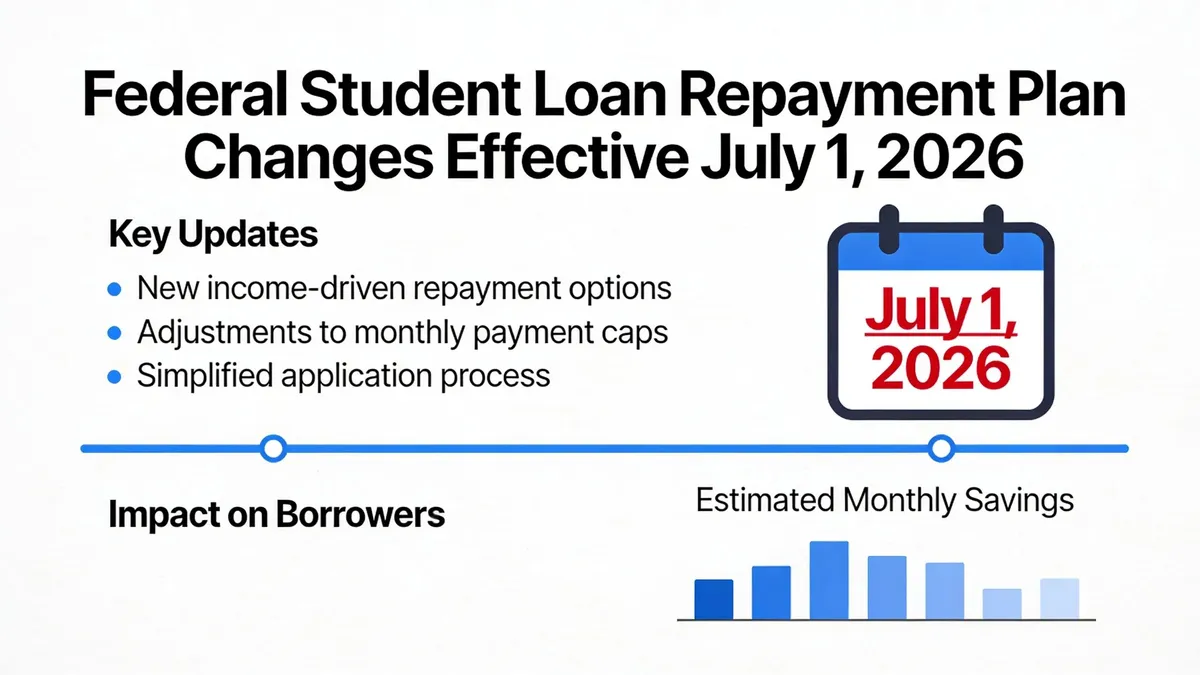
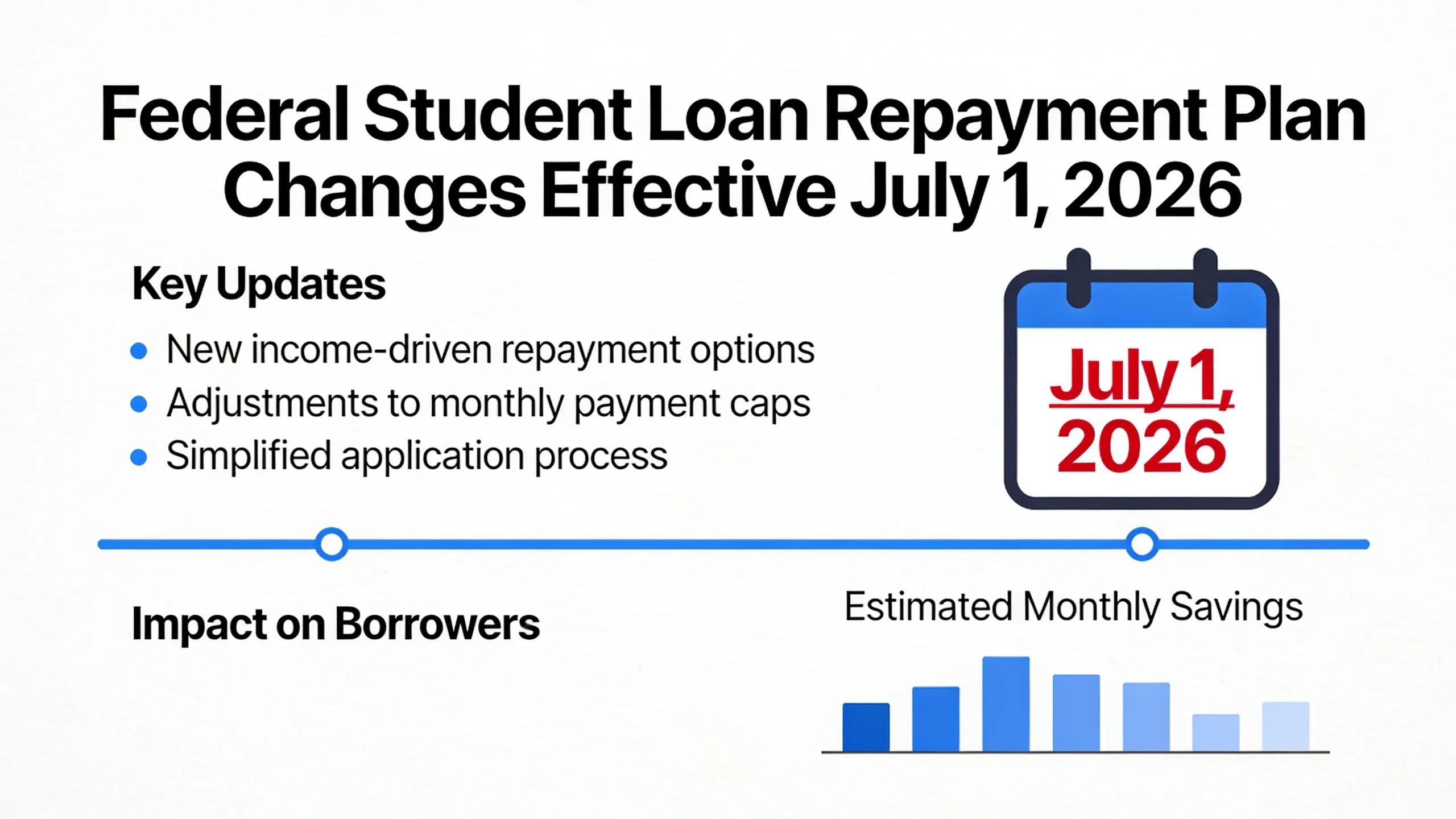
The One Big Beautiful Bill Act (OBBBA) reshaped the federal repayment landscape starting July 1, 2026. Most existing plans remain available to borrowers who already hold them, but eligibility now depends heavily on when a borrower took out their loans. Loans borrowed or consolidated after that date move toward a new Tiered Standard Plan, while a separate new program, the Repayment Assistance Plan (RAP), also became available as an income-based option.
These changes mean a plan that made sense a few years ago may no longer be the right fit, and a plan that wasn't previously available might now be worth considering. Sorting through which rules apply to which loans is one of the more common sources of confusion borrowers bring to FirstStep Solutions.

A Brief Look at the Major Repayment Options
This isn't meant to be an exhaustive breakdown of every plan detail, but understanding the general categories helps frame the decision:
Standard Repayment — a fixed payment over a set term, typically the fastest path to payoff but not tied to income
Tiered Standard Plan — the newer structure applying to loans borrowed or consolidated after July 1, 2026
Income-Driven Repayment (IDR) plans — payments calculated based on income and family size, with forgiveness after a set number of qualifying payments
Income-Based Repayment (IBR) — a longstanding income-driven option with its own eligibility rules and forgiveness timeline
Repayment Assistance Plan (RAP) — the newer income-based option introduced under current federal rules
Each option calculates payments and forgiveness timelines differently, and eligibility can depend on loan type, consolidation history, and when the loans were taken out. Borrowers often find that the plan that sounds best in a general description isn't necessarily the one that fits their specific loans.
Information Isn't the Same as a Strategy
Resources like StudentAid.gov and loan servicers can play an important role. They provide information about available plans and administer the repayment process once a plan is selected. What they don't do is evaluate a borrower's complete financial picture and recommend which option actually fits that individual's goals.
That gap is where many borrowers get stuck. Reading through plan descriptions and running a payment estimate is useful. It still leaves the harder question unanswered: given this borrower's loan type, income, family size, and long-term goals, which plan genuinely makes sense? Access to information is not the same as having a strategy, and FirstStep Solutions exists to help close that gap.

How FirstStep Solutions Builds a Personalized Strategy
FirstStep Solutions starts by reviewing a borrower's complete situation, including loan type, balance, income, family size, and repayment history, alongside their long-term financial goals. From there, the available repayment and forgiveness strategies are compared against one another, weighing how each would play out given that borrower's specific circumstances.
That analysis leads to a personalized approach rather than a generic recommendation. Because circumstances change, income shifts, family size changes, or federal rules are updated, FirstStep Solutions also supports borrowers through implementation and helps them reassess their strategy over time, rather than treating the initial plan selection as a one-time decision.
Conclusion
In the end, choosing the right student loan repayment plan comes down to understanding your unique financial picture and long-term goals. There's no one-size-fits-all answer, but with careful evaluation of your income, career path, and forgiveness eligibility, the right strategy becomes clear. At FirstStep Solutions, we help borrowers cut through the complexity and make confident, informed decisions. With the right guidance, you gain a clearer path forward and greater control over your financial future.